
Is the School of the Future in Nature, in the Light of Neuroscience?
EGET
The modern education system has confined children within four walls since the industrial revolution. However, the world of neuroscience and pedagogy now unanimously agrees: Humans evolved not for enclosed spaces, but to unravel the complexities of nature. "Ecological education" is not just a matter of environmental awareness, but a process of building a healthy cognitive architecture in children.
1. "Nature Deprivation Syndrome" and Brain Development
Nature Deprivation Syndrome, conceptualized by author Richard Louv, is now a clinical reality. Louv argues that children's disconnection from nature is not just "boredom," but is directly linked to obesity, attention deficit disorder (ADHD), and sensory depletion.
Scientific Data: Research published in the American Journal of Public Health has proven that "green time" increases attention levels in children and reduces cortisol levels, a stress hormone, by 15% to 20%.
2. Cognitive Flexibility: Nature as an "Open-Ended" Laboratory
Everything in nature is variable; Weather, light, textures, and living things are in constant flux. This triggers cognitive flexibility in children. While a standard plastic toy serves only its intended purpose, a twig in nature can become a wand, a bridge, or a pencil in a child's mind.
Pedagogical Perspective: In David Sobel's model against the concept of "Ecophobia" (Fear of Nature), it is essential to teach children to love nature first, and then to protect it. According to Sobel, measuring the shadow of a tree instead of abstract global warming data makes mathematics and science concrete, leading to lasting learning.
3. Sensory Integration: From Screens to Earth
While the two-dimensional world of screens limits children's senses, playing with soil, listening to the sound of a stream, or smelling a flower activates different lobes of the brain simultaneously. This is a vital need for sensory integration, especially in early childhood.
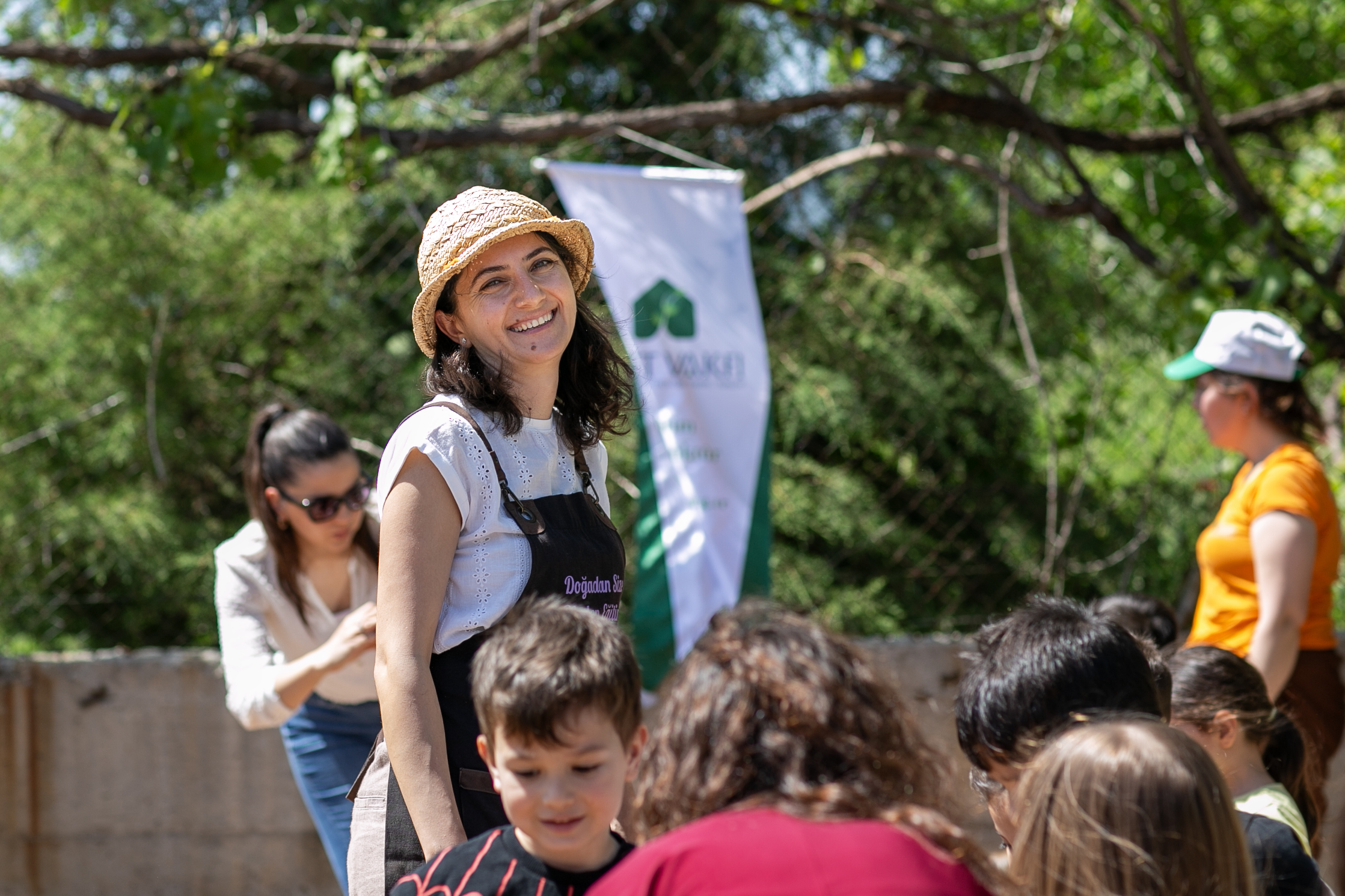
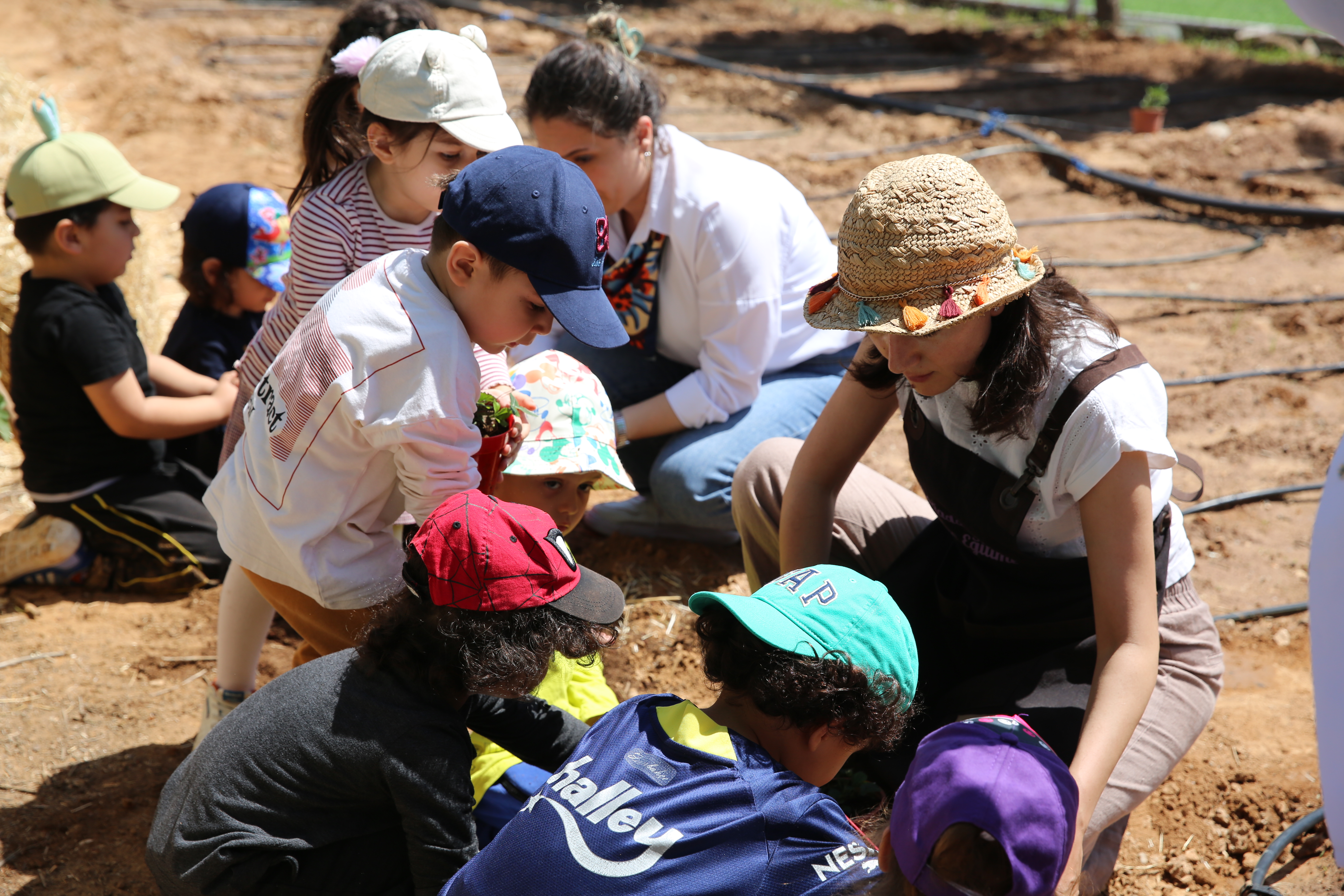
An Example in Practice: EGET Foundation Nature and Life Academy
References and Further Reading
Louv, R. (2005): Last Child in the Woods.
Kuo, M., & Taylor, A. F. (2004): A Potential Natural Treatment for Attention-Deficit/Hyperactivity Disorder. American Journal of Public Health.
Sobel, D. (1996): Beyond Ecophobia: Reclaiming the Heart in Nature Education.
EGET Foundation: eget.org.tr - Nature and Life Academy and Ecological Farming Practices.
Harvard Study of Adult Development: An 80-year study on the effects of social connections and nature on longevity.
Is the School of the Future in Nature, in the Light of Neuroscience?
12 Feb 2026On the contrary. Children who learn in nature have longer attention spans, thus improving their academic performance. Studies in the Journal of Educational Psychology show that outdoor lessons strengthen long-term memory.
Even "balcony gardening" is a start. However, weekend nature camps or workshops organized by institutions like the EGET Foundation are the most effective way to repair a child's broken connection with nature, under the guidance of a professional guide.
From birth. Contact with nature yields the highest results between the ages of 0-6, when synaptic connections in the brain are most intensely formed.